


Making A Comeback: Why Homeopathy Is...
Homeopathy is nothing new. Hippocrates, the Father of Medicine, hinted at the...
Homeopathy is nothing new. Hippocrates, the Father of Medicine, hinted at the principle of like cures like, which homeopathy is based on, over two thousand years before homeopathy was actually developed by Samuel Hahnemann. As a system of medicine, it has been in continuous use for over two hundred years in more than one hundred countries, and that number is still growing.
As I shared previously, homeopathy was thriving throughout the United States through homeopathic medical institutions. We once had 22 homeopathic medical schools, more than 100 homeopathic hospitals, over 60 orphan asylums and homes for the elderly, and 1,000+ homeopathic pharmacies in the USA, which completely disappeared from America thanks to the beginnings of Big Medicine. Despite this, homeopathy has been in use by individual homeopaths, small schools, and home prescribers since then.
Today, homeopathy is on the rise. Now, new schools and colleges of homeopathic study are springing up. A new generation of students is training, homeopaths are establishing their offices all over the world - from business offices to home offices, to freestanding clinics in Africa - as more people are turning to homeopathy every year.
Why are so many people embracing homeopathy?
What is it about homeopathy that is drawing them to it? A great many people have grown disillusioned with conventional medicine. The way COVID was handled broke the public's trust of government and of Big Medicine. Some people are drawn to homeopathy simply for its natural approach, but for most, the deeper motivation is a lack of real healing with conventional medicine. In homeopathy they find that instead of suppressing symptoms, homeopathy works by prompting the body back into balance, addressing the root of the issue.
Here is my short list of the reasons why individuals and families are using homeopathy over conventional options:
1. Homeopathy is gentle. Homeopathic remedies are safe for every age, from infants to the elderly and pets. And this gentle nature is part of what has made it so trusted.
2. Homeopathy is safe. No one has ever died from homeopathy. Homeopathy carries no side effects and no risks in the way conventional medications so often do, which matters greatly to anyone who has read through a pharmaceutical insert and wondered whether the cure might be worse than the complaint.
3. Homeopathy is intrinsically holistic. Using the homeopathic principles of choosing a remedy, homeopathy does not address anything in isolation. It addresses the whole person across every plane - physical, mental, and emotional - working with the body rather than against it.
4. Homeopathy does not suppress. Suppression forces the body into compliance. Rather than pushing a symptom deeper, homeopathy works to resolve the underlying imbalance the symptom is pointing to in the first place.
5. Homeopathy is affordable. Homeopathy is very inexpensive compared to most conventional medicine, which makes consistent, long term care realistic for far more individuals and families.
6. Homeopathy is sustainable. Homeopathic remedies are easily produced, non-toxic, and fit naturally into a way of life that many people are already trying to build.
7. Homeopathy is accessible. Homeopathy can be used at home for everyday complaints, while virtual consults with trained professionals are available whenever something more is needed, making expert guidance only a call away.
Despite its suppression in the early 1900s, homeopathy survived the loss of its great institutions, endured, and now it is growing in use.
References
1. Ullman, D., n.d. A Condensed History of Homeopathy. [online] Homeopathic.com. Available at: https://homeopathic.com/a-condensed-history-of-homeopathy/ [Accessed 19 Jul. 2026].
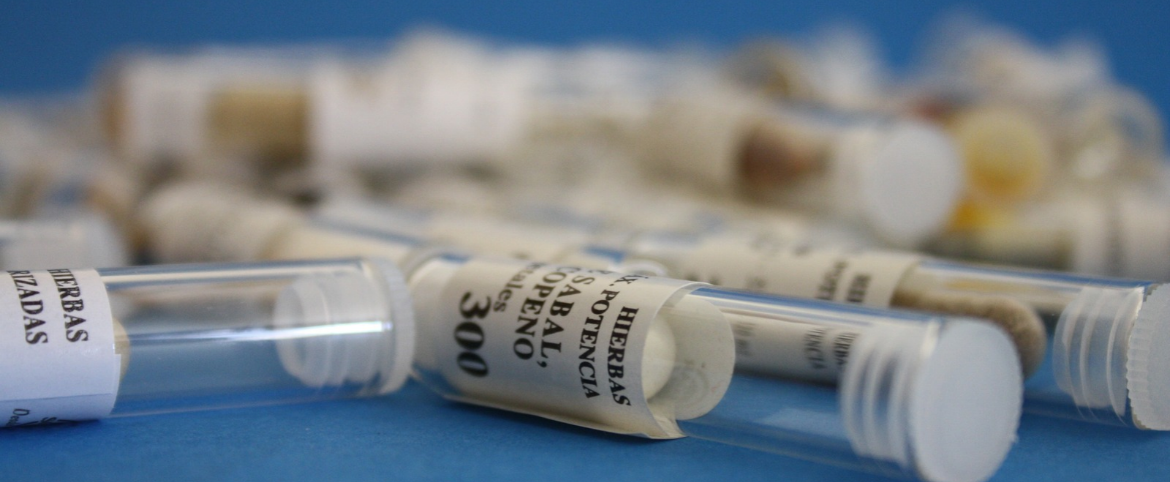
Image source: Angel Salazar
Note: The views expressed here do not exclusively represent the views of Materia+ and its governing entities.
Mary Sheiko is a homeopathic consultant who works with individuals and families in Indiana and around the world. She takes time to understand each client's full picture: their history, their patterns, and what makes them who they are. Grounded in Classical homeopathy and trained across multiple methods, she individualizes each case rather than relying on fixed protocols. Mary holds a Licentiate in Homeopathy (LCHE) from The Centre for Homeopathic Education in London and is registered with Homeopathy International.
Mary Sheiko is a homeopathic consultant who works with individuals and families in Indiana and around the world. She takes time to understand each client's full picture: their history, their patterns, and what makes them who they are. Grounded in Classical homeopathy and trained across multiple methods, she individualizes each case rather than relying on fixed protocols. Mary holds a Licentiate in Homeopathy (LCHE) from The Centre for Homeopathic Education in London and is registered with Homeopathy International.
Check out these recently published articles on Materia+.
Homeopathy is nothing new. Hippocrates, the Father of Medicine, hinted at the...
For those that know me, I am a solo traveling Queen. It...
Zenthai Shiatsu is a dynamic, restorative form of bodywork that blends Thai...
Glyphosates were introduced in 1975 and since then, this popular herbicide has...