

.png)
-(53).png)
-(52).png)
-(50).png)
-(54).png)
Resurrecting the Ecology of Care
This is something that shocked me when I saw it so clearly...
-(27).png)
The human body is composed of trillions of cells communicating to create order out of chaos.
Cancer is the loss of that sacred communication.
A single cell loses contact with its mates, triggers survival mechanisms, and starts to proliferate. This uncontrolled cell growth is the hallmark of oncogenesis — the process of cancer arising. As the tumor grows, it:
The Cause of Cancer
Although the mainstream medical model attributes cancer to the mutation of important genes that keep cells in check, modern research suggests an alternative theory:
Cancer is a metabolic disease — the cause of cancer is a breakdown in our body’s ability to generate energy.
This idea first emerged in 1923, when German biochemist Otto Warburg discovered that all cancer cells prefer to ferment sugar even in the presence of oxygen — a phenomenon called the Warburg effect.
Our mitochondria — the source of 90% of energy in our cells — use oxygen to generate energy (this is why we breathe). This process produces almost 10x as much energy as breaking down sugar outside of the mitochondria does (a process called glycolysis).
Cancer cells demand sugar simply because their mitochondria are failing and can no longer accept oxygen. This creates an energy deficiency, a dysfunctional, isolated cell, and, eventually, genetic mutations. Dr. Thomas Seyfried has confirmed this in recent years:
“Mitochondrial dysfunction is the primary driver of tumorigenesis, with genomic instability being a downstream effect.” - Dr. Thomas Seyfried [1]
Deuterium
Now that we know the origin of cancer is a mitochondrial story, we must take this a step further by understanding deuterium.
Deuterium is a heavier form of hydrogen, known as an “isotope”, because it has an extra neutron in the nucleus.
On the contrary, hydrogen — the first element on the periodic table — only has a single proton. This makes deuterium double the mass of hydrogen.
The reason this is so important is that our mitochondria require hydrogen from food to create energy. Deuterium can replace hydrogen in this process, but because it’s double the mass of hydrogen, this causes havoc at the sub molecular level.
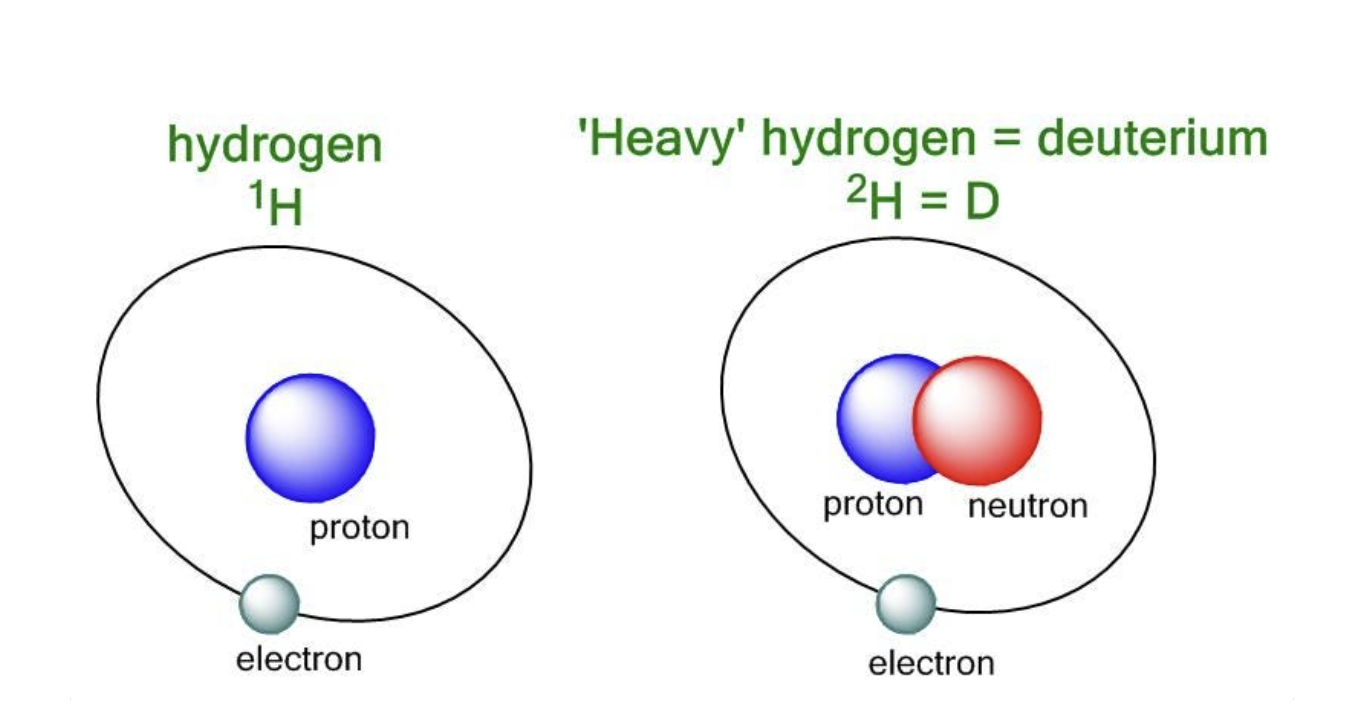
The extra neutron in deuterium doubles its mass. This is a huge problem for mitochondria because of how tiny these structures really are. So, how does this relate to cancer? Because too much deuterium within biological systems has been shown to:
Each of these mechanisms point directly to a single truth: Deuterium overload induces mitochondrial dysfunction and cancer development.
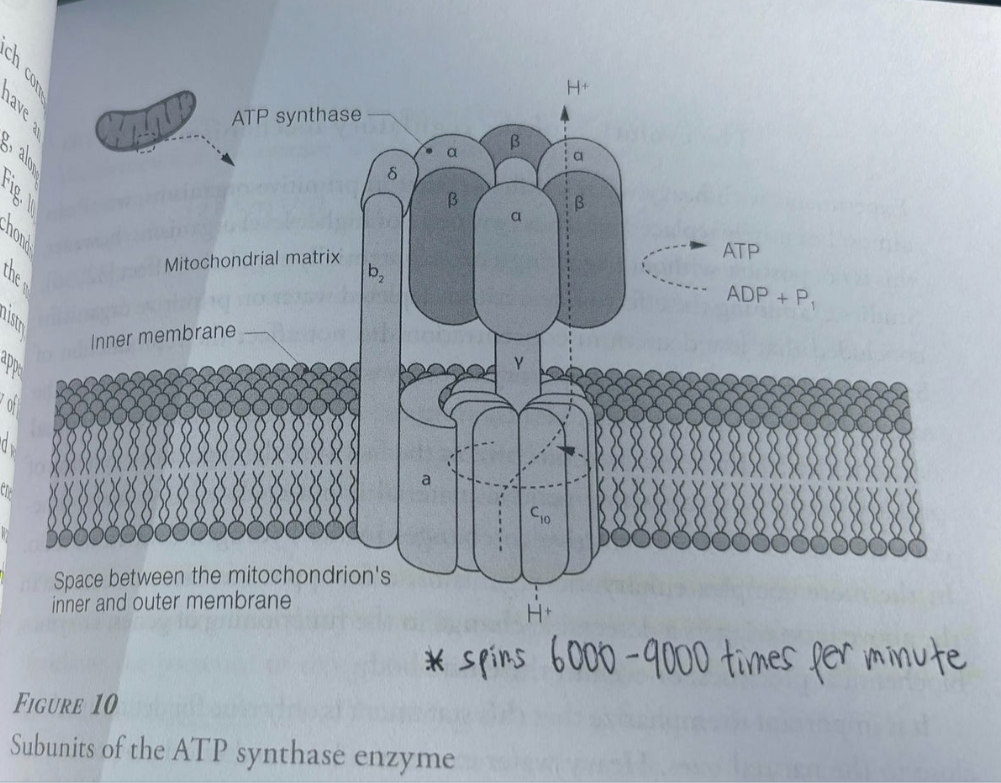
*Figure from Deuterium Depletion - A New Way in Curing Cancer and Preserving Health.
The ATPase motor within the mitochondria — where energy is made. Located inside of a mitochondrion lies the ATP synthase nanomotor, spinning 6000-9000 times per minute, powered by the flow of hydrogen ions (H+). This is where energy for the cell to be used is synthesized. But deuterium — carrying an extra neutron — cannot fit through these tiny machines. Instead, it jams the motor, slows its spin, and can even break it completely.
Analogy: Imagine trying to make a basket if you were shooting with two basketballs glued together. That’s deuterium trying to enter the ATPase.
Research
Clinical studies show that lowering deuterium levels — through drinking deuterium-deleted water (DDW) and ketogenic diets — can:
Hungarian researchers like Gábor Somlyai and László Boros have shown consistently over the past few decades that deuterium depletion regulates cell division, slows tumor progression, and significantly increases the median survival time (MST) in cancer patients when combined with conventional therapies.
Gábor Somlyai began researching deuterium’s effects on biology in the early 1990s.
“The combined use of deuterium depletion and conventional treatments leaves a significant percentage of patients completely cancer-free. Using DDW as a follow-up treatment after a conventional regimen helps to reduce the risk of remission.” (p.98) [2]
Conclusion
We now know the mechanics of cancer, the mitochondria’s central role here, and how excess deuterium is a hidden driver of this entire process. These insights reveal a profound truth: By focusing on mitochondrial health and deuterium depletion, we open a revolutionary path to both treating and preventing cancer.
This brings light to an even deeper principle — that when the intelligence of life is allowed to flow freely, health is the natural result.
Additional Action Steps to Deplete Deuterium:
References:
1.Seyfried, Thomas N. “Cancer as a mitochondrial metabolic disease.” Frontiers in cell and developmental biology vol. 3 43. 7 Jul. 2015, doi:10.3389/fcell.2015.00043
2.Somlyai, Gábor. (2022). Deuterium Depletion - A New Way in Curing Cancer and Preserving Health.
Note: The views expressed here do not exclusively represent the views of Materia+ and governing entities.
Check out these recently published articles on Materia+.
This is something that shocked me when I saw it so clearly...
I recently spoke with one of my health coaching clients. Her goal...
Nettle may be one of the most infamous plant medicines that I’ve...
Yoga, an ancient practice combining physical postures, breathing exercises, and meditation, has...